

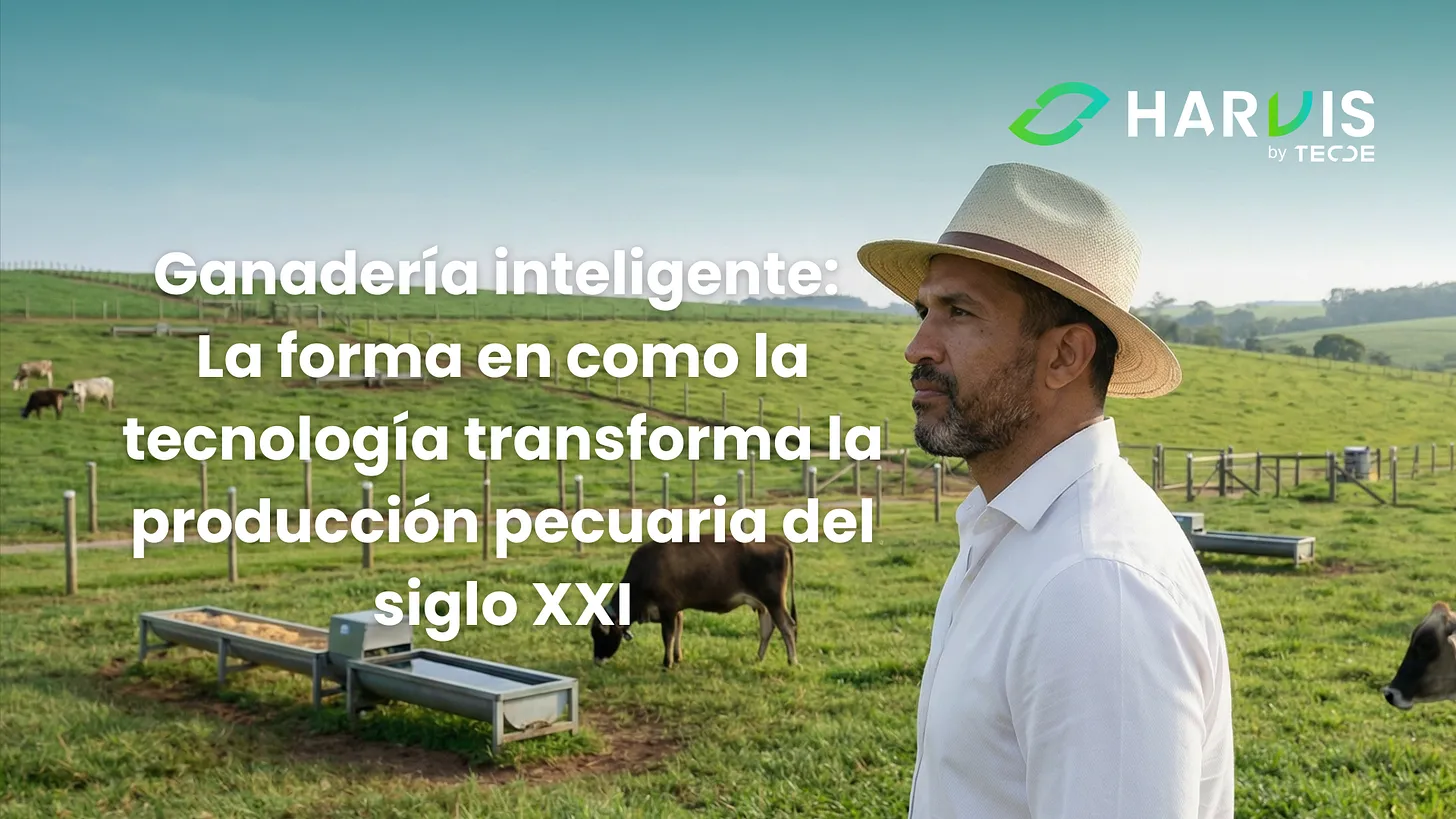
In our previous editions, we explored everything from precision agriculture to regenerative carbon farming. Each innovation has led us to a fundamental understanding: 21st-century livestock farming transcends traditional production to become a data ecosystem where every animal, every hectare of pasture, and every management decision is optimized through smart algorithms. Today, we delve into smart livestock farming: the comprehensive digital transformation that uses advanced sensors, artificial intelligence, and predictive analytics to maximize productivity, animal welfare, environmental sustainability, and economic profitability of modern livestock systems.
Smart livestock farming represents a comprehensive scientific methodology that utilizes continuous monitoring technologies, big data analysis, and intelligent automation to optimize every aspect of the livestock production cycle, from early disease detection to optimal timing for marketing, simultaneously creating improvements in animal welfare, reproductive efficiency, product quality, and complete traceability while generating substantial increases in profitability through loss reduction and resource optimization.
Global livestock production manages over 1 billion head of cattle that generate 18% of global greenhouse gas emissions, but simultaneously possesses the technical potential to dramatically reduce its environmental impact through the implementation of smart technologies that optimize feed efficiency, reduce waste, improve pasture management, and maximize productivity per unit of resources used.
Some Technologies
💡The livestock technology revolution begins with advanced sensor systems that transform each animal into a mobile data station that continuously transmits vital information about health, behavior, location, and reproductive status. Smart collars integrate triaxial accelerometers, high-precision GPS, body temperature sensors, and activity monitors that record movement patterns, grazing time, rumination behaviors, and early indicators of heat stress or diseases.
🔎Next-generation sensors combine radio frequency identification (RFID) with NFC chips that store complete medical histories, reproductive records, and production data for each animal, facilitating individual traceability from birth to marketing. Implantable ruminal devices continuously measure pH, temperature, and fermentative activity of the rumen, providing real-time indicators of digestive health, feed efficiency, and specific nutritional needs.
📸Automated thermal cameras detect variations in body temperature that precede clinical manifestations of infectious diseases, allowing for preventive veterinary interventions that reduce mortality, improve recovery rates, and minimize antibiotic use. Computer vision systems analyze locomotion patterns to identify early lameness, postural alterations, and behavioral changes that indicate animal welfare issues before they become significant economic losses.
📈Machine learning algorithms continuously process torrents of sensory data to generate predictive insights that optimize every livestock management decision. Deep learning models identify subtle patterns in animal behavior that predict reproductive events, detect emerging diseases, and assess welfare states with accuracies exceeding 95%, significantly surpassing traditional human observation capabilities.
🩺Veterinary artificial intelligence systems analyze complex combinations of biometric, environmental, and historical variables to generate early alerts for health problems before evident clinical manifestations. Predictive algorithms process data on body temperature, heart rate, activity patterns, and water consumption to detect prodromal symptoms of respiratory, digestive, and reproductive diseases with 7-14 days of advance notice.
🌾Intelligent nutritional optimization uses dynamic formulation algorithms that automatically adjust diets based on forage availability, ingredient prices, individual nutritional requirements, and specific production goals. Nutritional recommendation systems process forage quality analyses, animal body condition, and weather data to optimize supplementation strategies that maximize weight gains, milk production, and reproductive efficiency.
📊Big data analysis platforms integrate information from multiple sources to generate comprehensive overviews of herd performance, identify productive trends, predict emerging problems, and optimize short, medium, and long-term management strategies. Business intelligence systems process production data, costs, market prices, and climate variables to generate automated recommendations on marketing timing, breeding strategies, and infrastructure investments.
📋Blockchain traceability provides immutable and transparent records of the complete history of each animal, from birth to consumer table, including health records, veterinary treatments, feeding, management, and transport. Consumers can access detailed information about origin, management practices, animal welfare, environmental impact, and quality certifications of each meat or dairy product via QR codes.

📉Predictive inventory management systems use forecasting algorithms to predict future resource needs, optimize inventory levels of food, medicines, and supplies, and generate automated purchase orders that minimize maintenance costs while ensuring continuous availability of critical inputs.
🌳Distributed environmental sensors continuously monitor microclimatic conditions, water quality, pasture status, and greenhouse gas emissions to optimize management strategies that minimize environmental impact while maximizing productivity. Water quality monitoring systems automatically analyze physical, chemical, and microbiological parameters of water sources, generating immediate alerts in the event of contaminations that compromise animal health or product quality.
🌦️Smart weather stations combine local climate data with predictive models to generate automated recommendations on pasture management, feed supplementation, protection against heat stress, and planning of management activities according to optimal climatic conditions. Grazing rotation algorithms use data on forage growth, carrying capacity, and soil conditions to optimize grazing sequences that maximize forage production while minimizing soil degradation.
🐄Emission measurement systems use portable methane sensors and specialized cameras to quantify individual greenhouse gas emissions, identify animals with superior digestive efficiencies for genetic selection programs, and evaluate the impacts of different nutritional strategies on carbon footprint.
🐮Heat detection systems use activity sensors, vaginal temperature, and progesterone analysis in milk to identify optimal insemination windows with accuracies exceeding 95%, increasing pregnancy rates and reducing open days. Reproductive synchronization algorithms optimize hormonal protocols based on individual reproductive history, body condition, and environmental factors to maximize response to treatments and reproductive efficiency.
🐂Genomic selection platforms integrate detailed phenotypic data with molecular marker analysis to identify breeders with superior genetic potential for economically important traits such as feed efficiency, disease resistance, meat quality, milk production, and climate adaptation. Multivariate selection indices combine multiple traits into composite genetic values that facilitate breeding decisions that optimize overall genetic progress.
🤎Directed mating systems use genetic algorithms to optimize mating combinations to maximize the genetic merit of offspring while minimizing inbreeding and maintaining genetic diversity. Economic value predictions of crossings estimate expected economic benefits from different reproductive combinations, facilitating investment decisions in genetics that maximize long-term returns.
Challenges and Obstacles
The implementation of smart livestock farming faces significant challenges related to high initial investments, technical training needs, limited connectivity in rural areas, and cultural resistance to technological changes. The initial costs of complete sensor and analysis systems can reach $200-500 per head of cattle, requiring specialized financing and payback periods that may discourage adoption in small and medium operations.
Limited rural connectivity compromises the functionality of IoT systems that require continuous data transmission, necessitating investments in telecommunications infrastructure or satellite communication systems that increase operational costs. The integration of multiple technological platforms presents interoperability challenges that require standardization of protocols and development of unified interfaces.
Technical training needs include the development of skills in data interpretation, management of specialized software, equipment maintenance, and decision-making based on predictive analysis. Technological extension programs and continuous training are critical to maximizing successful adoption and leveraging potential benefits.
In our next edition, we will discuss emerging technologies and the future of livestock farming.
REFERENCES CONSULTED 📚
- FAO. "Digital Technologies in Livestock Production". 2025. https://www.fao.org/digital-agriculture/livestock/en/
- McKinsey & Company. "Agriculture's connected future: How technology can yield new growth". 2024.
- PwC. "Smart Farming: The Future of Agriculture Technology". 2025.
- Deloitte. "Future of Agriculture: Technology Trends in Livestock Management". 2024.
- MIT Technology Review. "AI in Agriculture: Transforming Livestock Management". 2025.
- Nature Sustainability. "Digital transformation in livestock systems". 2024.
- Agricultural Systems Journal. "IoT and Machine Learning Applications in Cattle Management". 2025
- Computers and Electronics in Agriculture. "Precision Livestock Farming Technologies". 2024.